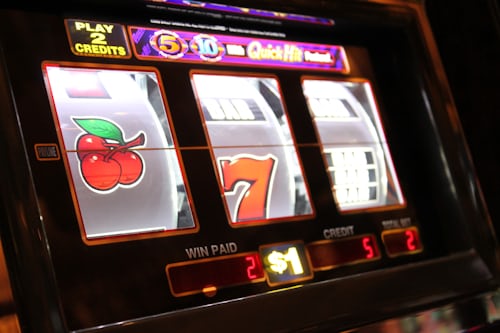
Debunking the top five casino myths you probably believe
Myth: Casinos Are Rigged Against Players
One of the most common beliefs among gamblers is that casinos have manipulated odds to ensure that players always lose. While it’s true that casinos are businesses designed to make a profit, the games are regulated and operate under strict laws. Independent regulatory bodies oversee gaming operations to ensure fair play and transparency. The odds are carefully calculated and communicated, so players can make informed decisions. For those looking for alternatives, casinos not on gamstop 2026 can provide a different experience, especially for players seeking more freedom.
Additionally, the randomness of games like slots and roulette is guaranteed by sophisticated technology. Random Number Generators (RNGs) ensure that every outcome is fair and unpredictable, removing any hint of bias. Thus, while casinos do have a built-in advantage, they operate within a framework that protects players’ rights.
Myth: Betting Systems Guarantee Wins
Many players believe that using certain betting systems can guarantee them a win. Strategies like the Martingale or Fibonacci systems suggest that players can recoup losses by adjusting their bets. However, these systems fail to account for the inherent randomness of casino games. Even if you follow a system, the outcome remains unpredictable, and there’s always a risk of hitting a losing streak.
Moreover, many casinos impose betting limits that can hinder these systems. Players may quickly find themselves unable to place higher bets to chase their losses, undermining the very system they’re trying to use. Ultimately, relying on a betting system can lead to greater losses and disappointment.
Myth: You Can Beat the House with Skill
While some games like poker and blackjack involve skill, most casino games are primarily luck-based. This leads many players to believe that skill can consistently overcome the house edge. In reality, even skilled players can’t guarantee wins every time. The house advantage ensures that over the long run, the casino will always come out ahead.
For instance, in games like slots, skill plays no role whatsoever. Every spin is independent of the last, meaning players have no control over the outcomes. Thus, while strategy can improve your odds in certain games, it won’t change the fundamental nature of others.
Myth: Winning Streaks Are Followed by Losing Streaks
Another prevalent myth is that after a series of wins, players are due for a loss, or vice versa. This belief stems from the gambler’s fallacy, which suggests that past outcomes influence future results. In reality, each game is independent, and the odds do not change based on previous results. Whether you’ve won or lost in the last ten games, your chances remain the same in the next game.
Understanding this can help players manage their expectations and gamble responsibly. Relying on superstitions can lead to poor decision-making and increased losses, as players may chase wins based on false beliefs about luck and probability.
This Website Promotes Safe and Informed Gambling
This website is dedicated to providing a secure and informative platform for users interested in gambling. It prioritizes user safety through robust security measures while ensuring that all content is reliable and accurate. Visitors can find resources to help them navigate the complex world of casinos and gambling laws.
By dispelling common myths and offering trustworthy information, this site aims to empower users to make informed decisions about their gambling activities. Whether you’re a novice or an experienced player, understanding the truth about casinos enhances the gaming experience while promoting responsible play.